



what-is-recurring-deposit-rd-meaning-and-features

Recurring Deposit (RD): Meaning, Features and How It Works

Learn what a recurring deposit is, how RD accounts work, key features, interest, tax treatment, and when it suits disciplined short-term savings goals

Daina Mathew - Canara HSBC Life Insurance

Written by : Daina Mathew

Shipra Chaudhary - Canara HSBC Life Insurance

Reviewed by : Shipra Chaudhary

Shipra Chaudhary - Canara HSBC Life Insurance

Shipra Chaudhary

Digital Marketing & MarTech Expert
With 5 years of experience in the insurance industry, she brings a nuanced understanding of its complexities to her writing. Her expertise allows her to craft clear, insightful content that makes intricate insurance topics accessible and engaging.

2026-07-07

1907 Views

7 minutes read

Recurring Deposits, or RDs, are a well-liked and reputable investment strategy among people of all ages. The question now is, what exactly is a Recurring Deposit account? Recurring Deposits, often known as RDs, are special term deposits provided by Indian banks. It is a mechanism for investing that enables people to set aside money regularly and earn good returns by means of interest.

In India, most banks and NBFCs provide Recurring Deposit accounts with terms ranging from six months to ten years. In this blog, we will explore Recurring Deposit meaning, how it works, its key features and benefits, eligibility criteria, and whether it is the right savings option for your financial goals.

Key Takeaways

  • Recurring Deposits are perfect for salaried individuals looking for a way to save money regularly in a disciplined manner 

  • Unlike market-linked investments, you can rely on RDs for fixed and predictable returns, which, in turn, offer stability and security

  • You can choose a tenure from 6 months to 10 years based on your financial goals

  • RDs come in several categories, some of which exist specifically for senior citizens, minors, and NRIs

  • Other options like ULIPs and savings plans are similar to RD but offer better tax benefits and growth potential

What is a Recurring Deposit?

A Recurring Deposit (RD) is a savings scheme offered by banks, post offices, and financial institutions that allows individuals to deposit a fixed amount every month for a predetermined tenure. It is designed to encourage disciplined saving habits while providing assured returns at a fixed interest rate.

Unlike a Fixed Deposit (FD), which requires a lump-sum investment, an RD helps individuals build a corpus gradually through regular monthly contributions. It is a low-risk investment option suitable for salaried individuals, students, and anyone looking to save systematically for short- to medium-term financial goals such as education, travel, emergencies, or major purchases.

How Does a Recurring Deposit Work?

Recurring deposits allow you to make regular investments in fixed amounts, such as ₹1000 per month. This deposit matures on a specific day in the future.

For example, you start an RD for 60 months (5 years) and deposit ₹ 1,000 per month. If the RD pays interest at 6% p.a., you will receive about ₹70,000 five years later, even though you only deposited ₹60,000.

A Recurring Deposit (RD) allows individuals to build savings systematically by making fixed monthly deposits over a chosen tenure, typically ranging from 6 months to 10 years, while earning assured returns on their investment.

Features & Benefits of a Recurring Deposit

When you invest money with RD, you get a fixed interest rate throughout the tenure. Upon maturity, you receive the total deposited amount along with the accumulated interest earned during the investment period. Let’s discuss a few features of Recurring Deposits:

  • Fixed Income Returns: It offers assured returns at maturity. When one invests their money in an RD, they are already aware of the interest rate. Furthermore, the interest rate remains fixed throughout the RD's tenure.

  • Low Investment Amount: The best part about RDs is that you don’t need a huge amount of money to begin your investment journey. Many banks allow you to start an RD with a minimum deposit of ₹100 or as specified by the institution. This can come in handy if you have a substantial salary surplus you wish to invest.
    Must Read - Income from Salary

  • Flexible Period: Individuals can choose an RD tenure ranging from 6 months to 10 years, depending on their financial goals. Recurring Deposit, or RD for short, allows you the freedom to select the time span that works best for you.

  • High-Interest Rates: Recurring Deposits generally offer higher interest rates than regular savings accounts. The interest is typically compounded by banks every quarter.

  • Lock-in Period: Most RD accounts do not have a mandatory lock-in period; however, premature withdrawals may be subject to penalties as per the bank's terms and conditions. You won't earn interest on any withdrawals you make during the lock-in period.

  • Premature Withdrawal Facility: Most banks allow premature closure of an RD before maturity, although a penalty or reduced interest rate may apply.

  • Lending Facility: Some banks allow customers to avail of loans or overdraft facilities against their RD deposits, subject to the bank's terms and eligibility criteria.

Build a Financial Plan that Protects and Grows Your Wealth

Please enter correct name Please enter the Full name
Please enter valid mobile number Please enter Mobile Number
Please enter valid email Please enter Email

Enter OTP

An OTP has been sent to your mobile number

Didn’t receive OTP?

Application Status

Name

Date of Birth

Plan Name

Status

Unclaimed Amount of the Policyholder as on

Name of the policy holder

Policy No.

Address of the Policyholder as per records

Unclaimed Amount

Error

Sorry ! No records Found

.  Please use this ID for all future communications regarding this concern.

Request Registered

Thank You for submitting the response, will get back with you.

Thank you for your interest in our product. Our financial expert will connect with you shortly to help you choose the best plan.

Types of Recurring Deposits in India

People from all walks of life choose RDs because they encourage disciplined saving habits while helping individuals work towards their financial goals. Whether you are a salaried employee, retired personnel, an NRI, or a parent planning for your child’s future, there is an RD account tailored to your requirements. Some of the common types of RD accounts are as follows:

  • Regular RD Accounts: These accounts are open to all individuals looking to save money in a disciplined manner. They follow a fixed monthly deposit structure and offer assured returns at maturity. 

  • Senior Citizen RD (Higher interest rates): Senior citizens are often offered higher interest rates on RD accounts, helping them earn better returns on their savings.

  • Minor RD Accounts (For children’s savings): You can open an RD account on behalf of a minor to encourage early saving habits and build a financial corpus for future needs. Parents or guardians can do this to encourage their children to save early. 

  • NRI/NRE Recurring Deposits: Non-Resident Indians (NRIs) can open RD accounts through eligible NRE or NRO accounts, subject to the bank's policies and regulatory guidelines. It can be a good way to benefit from competitive interest rates while investing your earnings in India.

Do you know

Did You Know?

The Post Office RD scheme permits up to four defaults in monthly deposits before the account needs to be revived with a default fee


Source: NSI

Promise4WealthPlan - Canara HSBC Life Insurance

Things to Check Before Investing in RD

Before you create an RD account, you must consider the following factors:

  • Investment Size: Many banks allow you to open an RD account with a minimum deposit of ₹100 or as specified by the institution. A Recurring Deposit is a practical investment strategy since it doesn't need a sizable initial commitment. Before starting an RD, assess your monthly savings capacity to determine a comfortable investment amount.

  • Duration: RD tenures typically range from 6 months to 10 years, depending on the bank. Once an RD account is opened, the duration cannot be changed until the RD matures. To get the best results, be sure to choose the tenure according to your needs.

  • Rate of Interest: Interest is calculated on your deposits and is usually compounded at periodic intervals as per the bank's policy. The interest rates might differ from one bank to another. Therefore, it is wise to select the Recurring Deposit option that provides the highest rate of interest for your investment.

How to Open an RD Account?

You can open an RD account through both online and offline channels, depending on your convenience. Below, we will discuss the steps you will need to take to achieve the same.

Online Method:

  • Log in to your internet banking or mobile banking account.

  • After that, choose "Open an e-RD Account."

  • Enter the monthly deposit amount, choose the tenure, and select the savings account from which the instalments will be debited. Verify the interest rate that applies and confirm the account details.

  • Review the maturity amount estimate and accept all the conditions of the agreement.

  • Submit the application. The RD receipt will be sent to you via email and messaging.

Offline Method:

  • Visit your nearest bank branch where you hold a savings account.

  • Fill out the RD application form with details such as the deposit amount, tenure, nominee information, and payment instructions.

  • Pay the first instalment through cash, cheque, or account debit, as permitted by the bank.

  • Once verified, the bank will process your application and activate the RD account.

Documents Required to Open a Recurring Deposit Account

To open an RD account, you will be required to provide some documents to verify your identity, address, and comply with Know Your Customer (KYC) requirements.. These documents ensure compliance with banking regulations and verify the applicant's identity and address.  The commonly required documents include: 

  • Identity Proof: Aadhaar card, passport, voter ID, driving license, etc

  • Address Proof: Utility bill, passport, Aadhaar card, ration card, etc

  • PAN Card: For tax-related compliance

  • Passport-size Photographs: Recent photographs for identification

  • Bank Account Details: An active savings account linked to the RD account

Who Can Invest in an RD?

Recurring Deposits, or RDs for short, can be opened with banks and post offices, subject to their respective eligibility criteria and documentation requirements. In most cases, you need an active savings account with the institution where you wish to open the RD. The following individuals and entities are generally eligible to open an RD account:

  • Individuals holding a savings account

  • Minors above the age of 10

  • Minors under natural or legal supervision under the age of ten

  • A corporation, business, sole proprietorship, or entrepreneurial entity

  • Government institution

Other Investments Similar to RD

RDs are simple, low-risk investment options that encourage disciplined savings. However, investors seeking higher growth potential, additional protection benefits, or tax advantages may also consider other financial products. Some alternative investment options include:

Limited Pay Savings Plans:

Life insurance savings plans have been a popular choice of investment for those seeking preservation goals for their wealth. These plans simply offer a guaranteed maturity value and bonuses along with the following benefits:

  • Tax savings on invested money

  • Tax-free maturity value

  • Better growth

  • Limited pay option, i.e., you can pay the premiums for a 10-year plan in 5 years

  • Life cover throughout the policy term 

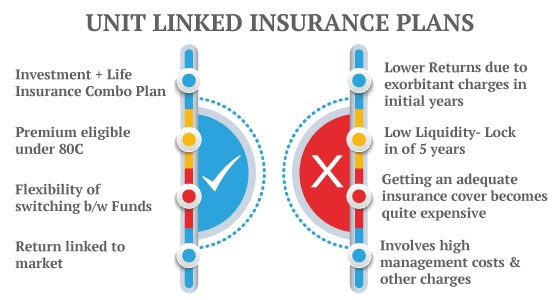
Unit Linked Insurance Plans (ULIPs):

ULIPs are versatile investments that allow you to invest in diversified portfolios of your choice of asset classes. With ULIPs, you can:

  • Invest in a portfolio of equity and debt funds

  • Bonus additions for long-term investors

  • Life cover throughout the policy term

  • Premium protection option to safeguard maturity value for important life goals, like a child’s education

  • Partial withdrawals are available after five years in the plan

  • Withdrawals, as well as maturity values, are tax-exempt in ULIPs

Diversified Debt Mutual Funds:

Diversified debt mutual funds are one of the most flexible investment options available. You can invest in a monthly SIP mode, which is very similar to an RD. However, unlike an RD, the mutual fund will not penalise your portfolio if you stop the deposits before your intended investment term. Key benefits include:

  • Regular investment through SIPs, similar to monthly RD deposits

  • Greater flexibility, as there is no penalty for discontinuing future SIP contributions

  • Investment in fixed-income instruments such as government securities, corporate bonds, and money market instruments

  • Potential for better risk-adjusted returns compared to traditional savings products, depending on market conditions

Suitable for investors seeking a balance between stability, liquidity, and long-term wealth creation

Conclusion

A recurring deposit is a smart savings tool for anyone who wants guaranteed returns with minimal risk. It helps you establish a savings routine and plan for future expenses, your children’s education, and even retirement. An RD is a simple and effective investment scheme for all. There are other alternatives too, with a similar structure but additional benefits. These options are not just for savings but also for life cover and tax benefits. Evaluating different investment options can help you select a solution that best aligns with your financial goals and risk appetite.

Glossary

  1. SIP: A method of investing a fixed amount regularly in mutual funds to build wealth over time
  2. Maturity Value: The total amount you receive at the end of the RD tenure that includes principal and interest
  3. Lock-In period: The initial period of a scheme in which withdrawals are restricted or not permitted
  4. Premature Closure: Closing an RD account before its maturity date, which may result in a penalty or reduced interest
  5. Nominee: A person designated to receive the proceeds of an RD account in the event of the account holder's death

Glossary book
Uncertain About Insurance

FAQs

A Recurring Deposit means a savings scheme that allows you to deposit a fixed amount every month for a chosen period and earn assured returns at a predetermined interest rate.

In an RD, you invest a fixed amount every month, whereas in an FD, you invest a lump sum at one time. Both offer fixed returns, but the investment pattern differs.

Key features of an RD include fixed monthly deposits, assured returns, flexible tenures ranging from 6 months to 10 years, low minimum investment requirements, and the convenience of disciplined savings.

The minimum deposit amount generally starts from ₹100, depending on the bank or financial institution. RD tenures typically range from 6 months to 10 years.

Yes, most banks allow premature closure of an RD. However, a penalty may apply, and the interest earned may be lower than the originally agreed rate.

Individuals, minors (through a parent or guardian, where applicable), NRIs, companies, partnership firms, sole proprietorships, and certain institutions can generally open RD accounts, subject to the bank's eligibility criteria.

If you miss an RD instalment, the bank may charge a penalty fee. Repeated missed payments could affect the account's continuity or maturity value, depending on the bank's terms and conditions.

Recent Blogs

Wealth Management Thum Desktop

Wealth Management: A Guide to Build and Protect Your Assets

08 July '26
2683 Views
10 minute read
Learn about wealth management, its importance, and how it helps you grow, preserve, and transfer your wealth effectively. Discover key strategies and benefits.
Read More
Financial Planning
Types Of Financial Planning Thum Desktop

Net Present Value (NPV): Full Form, Meaning & Formula

08 July '26
3909 Views
10 minute read
Net Present Value (NPV) measures an investment's total value and profitability. Learn how NPV helps in investment planning with Canara HSBC Life Insurance.
Read More
Financial Planning
Types Of Financial Planning Thum Desktop

Personal Finance: Definition, Meaning, Importance & Tips

08 July '26
1330 Views
10 minute read
Learn the basics of personal finance, including saving, investing, insurance and budgeting, to manage money better and build long-term financial security.
Read More
Financial Planning
5 Family Financial Hacks To Use in 2025

Family Financial Planning: Smart Money Management Tips

17 June '26
3934 Views
10 minute read
Discover practical family financial planning tips, budgeting strategies, emergency fund planning, insurance, savings and debt management to build long-term financial security.
Read More
Financial Planning
Compound Annual Growth Rate Thum Desktop

Compound Annual Growth Rate: How to Calculate CAGR?

03 Apr '26
2899 Views
8 minute read
Understand CAGR with our detailed guide. Use our CAGR Calculator for accurate financial planning. Explore more at Canara HSBC Life Insurance.
Read More
Financial Planning
5 Habits To Quit This New Year For Better Finances

5 Habits To Quit This New Year For Better Finances

28 Feb '26
1987 Views
8 minute read
Give up 5 money-draining habits and step into the new year with smarter financial choices.
Read More
Financial Planning
What is SIP?

What is SIP - SIP Meaning, Types, How Does SIP Work?

24 Feb '26
1100 Views
7 minute read
SIP - Systematic Investment Plan is the best way to invest in mutual funds. Learn more about SIP Investment, its meaning, benefits, and how to find the best SIP plans.
Read More
Financial Planning
Tips on Save Money in 2026

How to Save Money? Tips on Save Money in 2026

18 Feb '26
1471 Views
10 minute read
How to save money - Learn the best tips and some simple ways to save money. Learn more about the benefits of saving money as soon as you start earning.
Read More
Financial Planning
Types Of Financial Planning Thum Desktop

Types of Financial Planning: Key Strategies for a Secure Future

18 Feb '26
904 Views
Different types of financial planning guide your decisions at every life stage. Plan wisely from your first paycheck to retirement with Canara HSBC Life Insurance.
Read More
Financial Planning

Financial Planning - Top Selling Plans

We bring you a collection of popular Canara HSBC life insurance plans. Forget the dusty brochures and endless offline visits! Dive into the features of our top-selling online insurance plans and buy the one that meets your goals and requirements. You and your wallet will be thankful in the future as we brighten up your financial future with these plans.

Fixed Returns, Zero Risks & Worries

iSelect Guaranteed Future Plus
  • 4 Plan options
  • Life cover + Guaranteed benefits
  • Accidental death benefit
  • Premium protection cover

Save, Dream, Plan. Live Peacefully

iSelect Guaranteed Future
  • 5 Plan options
  • Option to choose PPT
  • Get Tax benefits
  • Premium protection cover