
How To Financially Plan for Medical Emergencies

How to Prepare for Unexpected Medical Emergencies Without Stressing Out?

In situations where every second counts, being prepared for medical emergencies can help you stay calm and stress-free.


2025-04-30

116 Views

5 minutes read

Medical emergencies are usually unpredictable and can drain you physically and your savings. But beyond the immediate shock and worry, another concern often adds to the burden: the financial impact. Medical bills can quickly add up, leaving you scrambling for funds when you should be focusing on recovery and care.

While it is impossible to predict these situations well in advance, staying prepared can help you financially and emotionally, reducing the stress that comes with them.

This blog will explore ways in which you can prepare for unexpected medical emergencies.

Key Takeaways

  • Secure your financial future by purchasing a reliable health insurance plan that covers hospital stays, surgeries, medications, and other unexpected medical expenses.

  • Set aside 6-12 months of living expenses to cover out-of-pocket costs to ensure you’re financially prepared for emergencies.

  • Adopt a balanced diet, regular exercise, and stress management practices to reduce the likelihood of medical emergencies.

  • Keep an updated record of medications, allergies, pre-existing conditions, and emergency contacts to make it easier to avail healthcare services.

  • To manage your health and handle emergencies effectively, regularly update your knowledge of health risks, prevention, and first aid.

Invest in a Reliable Health Insurance Plan

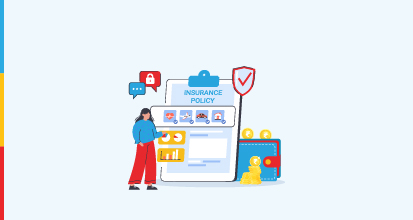
One way to stay secure during medical emergencies is to buy a comprehensive health insurance plan from a reliable provider. Health insurance plans are designed to provide financial support in the event of sudden health issues, covering expenses such as hospital stays, surgeries, consultations, medications, and diagnostic tests. Canara HSBC Life Insurance offers health insurance plans that are tailored to provide complete coverage.

Prepare an Emergency Funds

Medical emergencies usually come unannounced. During these emergencies, arranging finances should be the last thing on your mind. Thus, creating a sufficient emergency fund can help you meet emergencies without stressing out. While the health insurance policy can cover most of your medical expenses, costs might fall outside your coverage, such as deductibles, co-pays, or treatments not included in your policy. An emergency fund is a buffer to cover such unforeseen expenses, allowing you to pay out-of-pocket costs without dipping into your long-term savings.

Ideally, aim to build an emergency fund that covers 6-12 months of living expenses, so you have enough to cover medical costs, rent, bills, and other necessities in case of a health crisis.

Do you know

Did you know?

Building an emergency fund may seem tough, but it’s just a small step compared to your retirement savings. Starting now can pay off later!

Source: Investopedia


Maintain a Healthy Lifestyle

While eliminating medical emergencies can not be possible, you can take steps to reduce the chances of its occurrence. Taking a proactive approach to maintaining a healthy lifestyle by consuming a balanced diet, managing stress, and exercising can help lead to fewer unexpected medical situations and reduce healthcare costs in the long run.

Living a healthy lifestyle doesn’t eliminate the risk of medical issues entirely, but it can make a huge difference in terms of your overall well-being and can prevent many emergencies before they arise.

Prepare Medical History Document

In case of medical emergencies, having all your documents handy is crucial for healthcare providers to offer timely and accurate care. Maintaining the detailed documents can save you time and ensure you get the required medical support on time.

Here’s the list of what documents you must prepare well in advance:

  • List of medications

  • Note of any allergies

  • Pre-existing conditions

  • Emergency contacts 

  • Personal identification

Keep these documents in a safe yet accessible location, such as in a digital format on your phone or cloud storage, so it’s available during a medical emergency.

Stay Informed and Educated

Knowledge empowers you to recognise potential health risks, make informed decisions, and take proactive steps toward managing your health. Regularly reading trusted medical resources, such as health websites and books, can provide valuable information on preventing common health issues and improving overall wellness. Additionally, enrolling in first-aid or CPR courses is highly beneficial, as it equips you with the skills to assist others or yourself during an emergency before professional help arrives. 

Regular consultations with healthcare professionals are also crucial, as they help you stay updated on your health status, address any concerns, and learn about preventive measures that reduce the likelihood of unexpected medical crises. The more informed you are about your health and potential risks, the better prepared you’ll be to handle emergencies with confidence and care.

Buy a Term Insurance at early age to secure your future.

Conclusion

While you can never fully anticipate when a medical emergency might strike, you can take proactive steps to prepare financially, physically, and emotionally. By investing in comprehensive health insurance, creating an emergency fund, maintaining a healthy lifestyle, and having the right documents and support in place, you can mitigate the stress that often accompanies medical crises.

Canara HSBC Life Insurance provides various insurance products designed to safeguard your future. Taking the time to plan and prepare for the unexpected can make all the difference in maintaining your health and financial security.

Glossary

  • Emergency Fund: A reserve of money set aside to cover unexpected costs, including medical expenses not covered by insurance.

  • Deductibles: The amount you pay out-of-pocket for healthcare services before your insurance coverage kicks in.

  • Co-Pays: A fixed fee you pay for covered healthcare services, often in addition to deductibles.

  • CPR (Cardiopulmonary Resuscitation): A life-saving technique used in emergencies when someone's heartbeat or breathing has stopped.

Glossary book

FAQs

To prepare for an emergency, have a clear plan, keep an emergency kit ready, and ensure your safety first. 


To stop panic in an emergency, follow these steps:

  • Inhale deeply, counting 1-2-3 as you expand your diaphragm

  • Pause for a moment

  • Exhale slowly, counting 1-2-3

  • Repeat until calm

To reduce the risk in an emergency, you must stay calm and assess the situation. Follow safety protocols, evacuate if needed, and communicate with others. Use protective gear when necessary and stay updated through reliable sources. Being prepared in advance helps minimise risks.


ABC in first aid stands for Airway, Breathing, and Circulation. It’s a basic approach to prioritise life-saving actions when helping an injured person. 


The 3 P's in CPR are Preserve, Prevent, and Promote. These principles guide effective emergency response:

  • Preserve life by providing immediate care.

  • Prevent further harm by stabilising the person and avoiding additional injuries.

  • Promote recovery by supporting the person until professional help arrives. Understanding and applying these steps can significantly improve the outcome in an emergency situation.

Recent Blogs

health-insurance-for-hiv-positive-individuals

Health Insurance for HIV-Positive Individuals: Coverage Guide

09 July '26
94 Views
5 minute read
Learn how health insurance plans support HIV-positive individuals with coverage options, eligibility and policy benefits.
Read More
Health Plan
Yoga Day 2026 Thum Desktop

International Yoga Day 2026: Build Health & Financial Security

20 June '26
33 Views
6 minute read
Celebrate International Yoga Day 2026 by building a healthier, financially secure future. Discover how yoga, smart financial planning and life insurance work together.
Read More
Health Plan
Family Floater Health Insurance Benefits Thum Desktop

What is Family Floater Health Insurance and Its Benefits?

21 Apr '26
92 Views
4 minute read
Explore family floater health insurance, how it works, benefits & whether it is enough to secure your family financially.
Read More
Health Plan
Documents Required For Health Insurance Thum Desktop

What Documents are Required for Buying Health Insurance in India?

21 Apr '26
84 Views
5 minute read
Know the essential documents needed for buying health insurance in India, from KYC proofs to medical reports and claim paperwork.
Read More
Health Plan
Group Health Insurance Features And Benefits Thum Desktop

What is Group Health Insurance? Features and Coverage Explained

21 Apr '26
101 Views
5 minute read
Understand group health insurance benefits, coverage limits & why employer insurance alone may not be enough for long-term protection.
Read More
Health Plan
OPD vs IPD: Key Differences Explained

OPD vs IPD: Key Differences in Health Insurance

15 Apr '26
79 Views
5 minute read
Understand the difference between OPD and IPD, treatment coverage and how both impact healthcare expenses and insurance claims.
Read More
Health Plan
health-insurance-for-hiv-positive-individuals

Cashless Mediclaim Policy: How It Works, Claim Process & Benefits?

15 Apr '26
88 Views
5 minute read
Learn how cashless mediclaim works in India, claim steps, check hospital network & how financial planning ensures smooth medical expense management.
Read More
Health Plan
Top Mediclaim Plans in India

How to Choose the Best Mediclaim Plan in India?

15 Apr '26
103 Views
5 minute read
Learn how to choose the best mediclaim plan in India by comparing coverage, premiums, benefits, and exclusions to protect your health and finances.
Read More
Health Plan
3 Benefits Of Health Insurance Plans For Senior Citizens Thum Desktop

What is Cashless Treatment and How Does It Work?

08 Apr '26
1418 Views
8 minute read
Learn what cashless treatment means in health insurance, how it works at network hospitals, and how it helps you get medical care without paying upfront.
Read More
Health Plan